(brief)
Vibin is a live social discovery app for Gen Z. People at a venue post the vibe in real time, GenAI turns it into data, and the map shows what is actually happening right now. Co-founded, designed, and shipped to the App Store.
(my role)
I co-founded Vibin and designed the product end to end: the research, the information architecture, the wireframes, the final UI, and all the brand and marketing collateral, posters, flyers, merch. After launch I iterated using real behavioral data from our users.
(the problem)
To decide where to go tonight, people check the map, Instagram, stories, reviews, and group chats, and still do not know what a place feels like right now. Photos are old, reviews are older. The one thing that matters, the live vibe, is nowhere. Our research showed the decision runs on FOMO and spontaneity, not on star ratings.
(1)
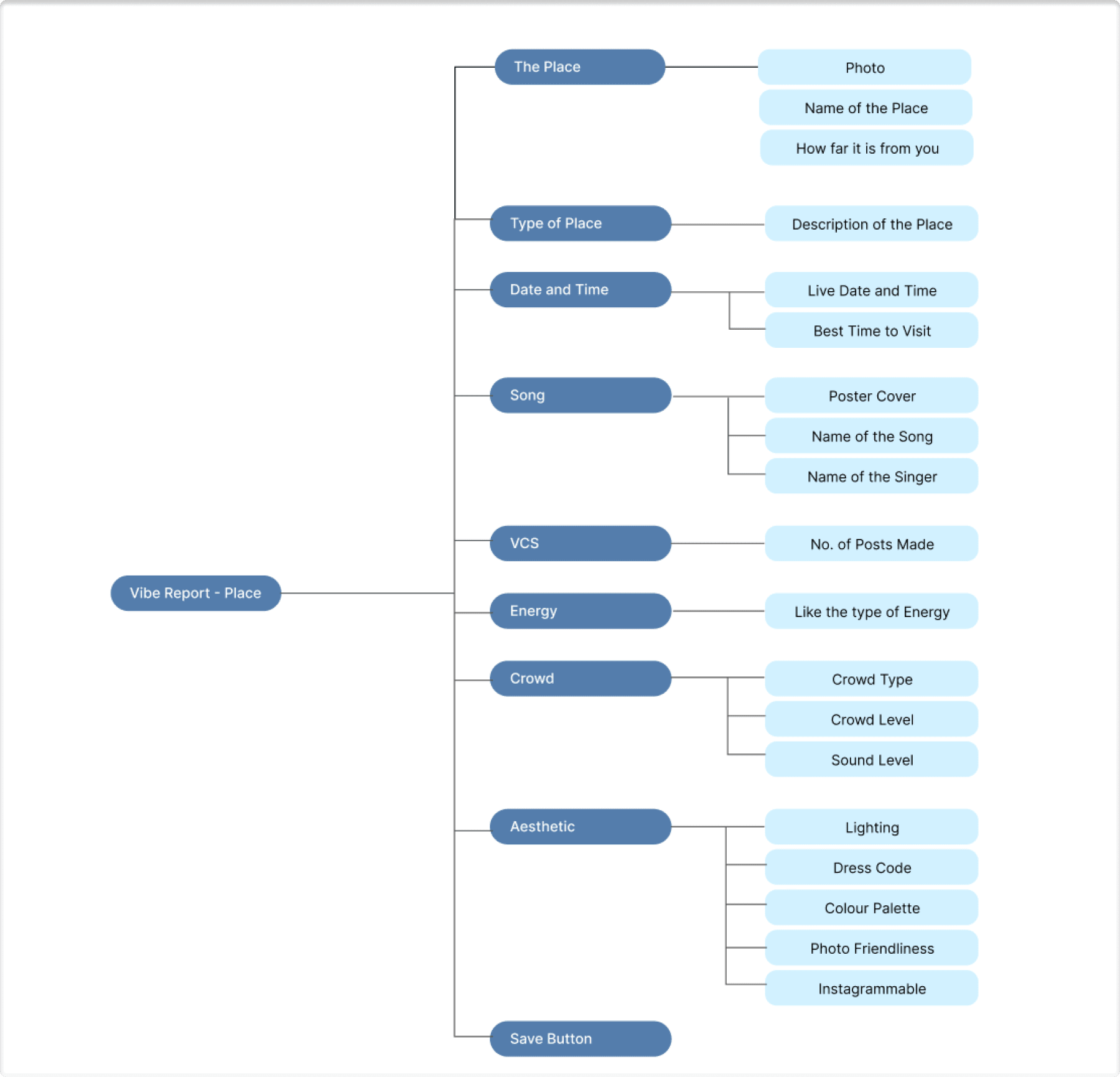
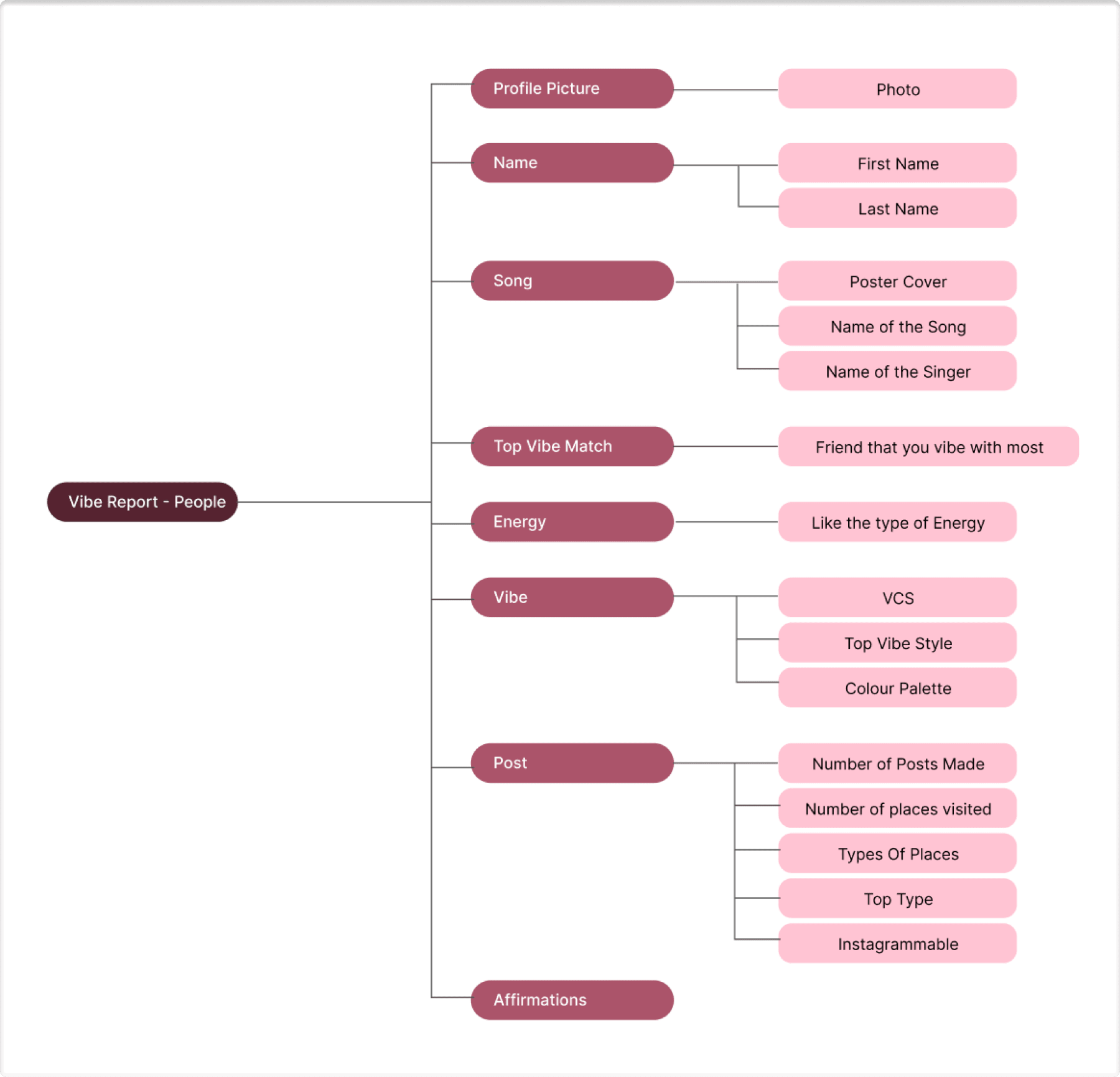
There were two honest ways to build this app, and arguing about them would have wasted weeks. So I built both structures out properly.
The first organised everything around places: you open a map, you browse venues, the people are a detail inside each one. The second organised everything around people: you open a feed of who is out tonight, and the venue is a detail attached to them.
I put both in front of real users and watched which one they could actually use. Places won, clearly. People opened the app asking "where is good right now", not "who is out". So the map became the home screen, and I filtered it by vibe instead of by category, because nobody was choosing a night out by the word "bar".
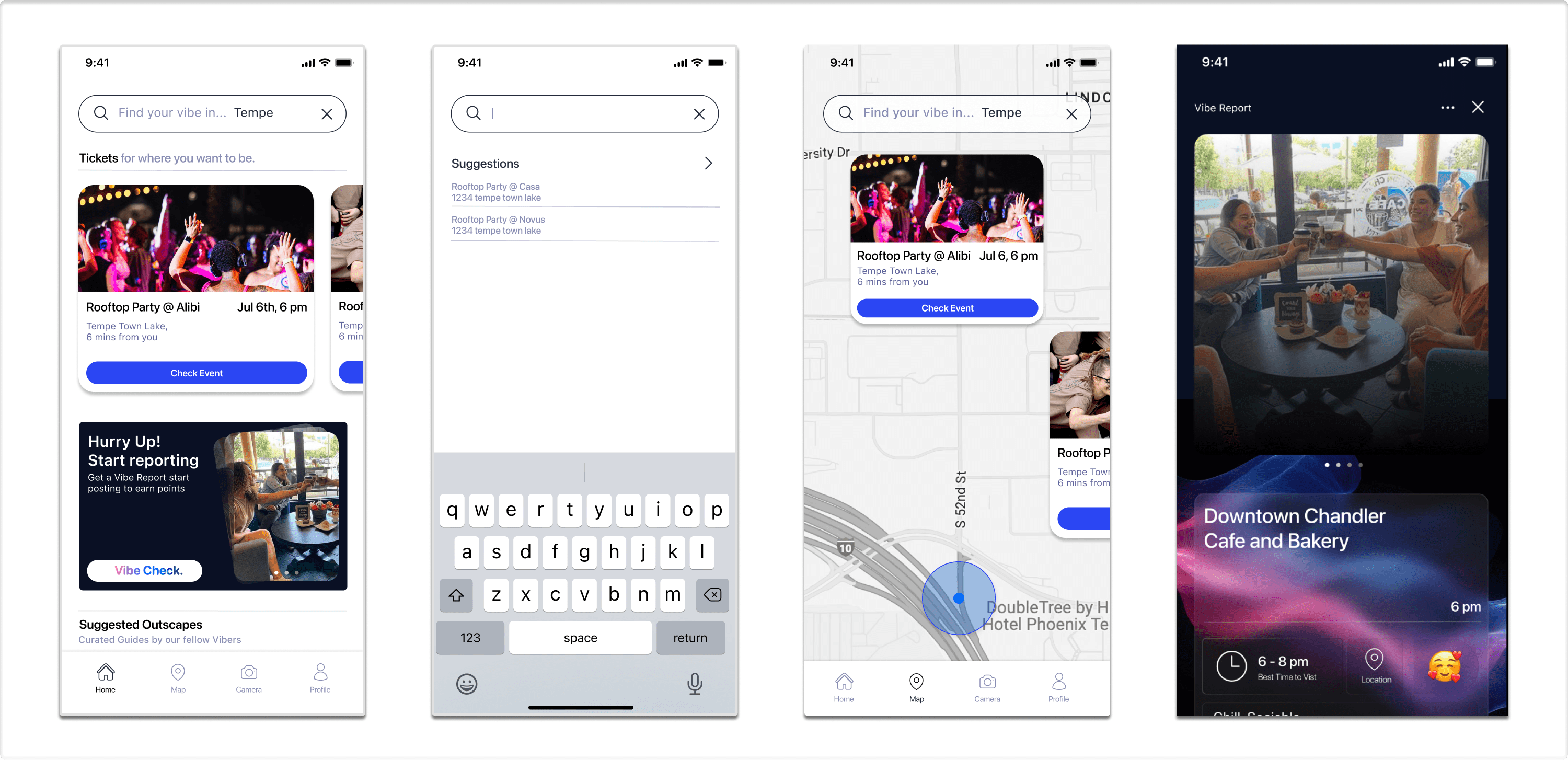
Early wireframes for the vibe-first map
(2)
Posting a vibe takes seconds, one photo, one line, and GenAI does the heavy lifting: it classifies the atmosphere into structured data, so "packed rooftop, live music" becomes something you can search and filter. Every venue gets a live Vibe Report, a scorecard built from what people posted in the last hour, not last year.
One photo and one line, GenAI handles the rest
Chill, party, eats, live, the map filters by feeling
A live scorecard per venue, built from the last hour
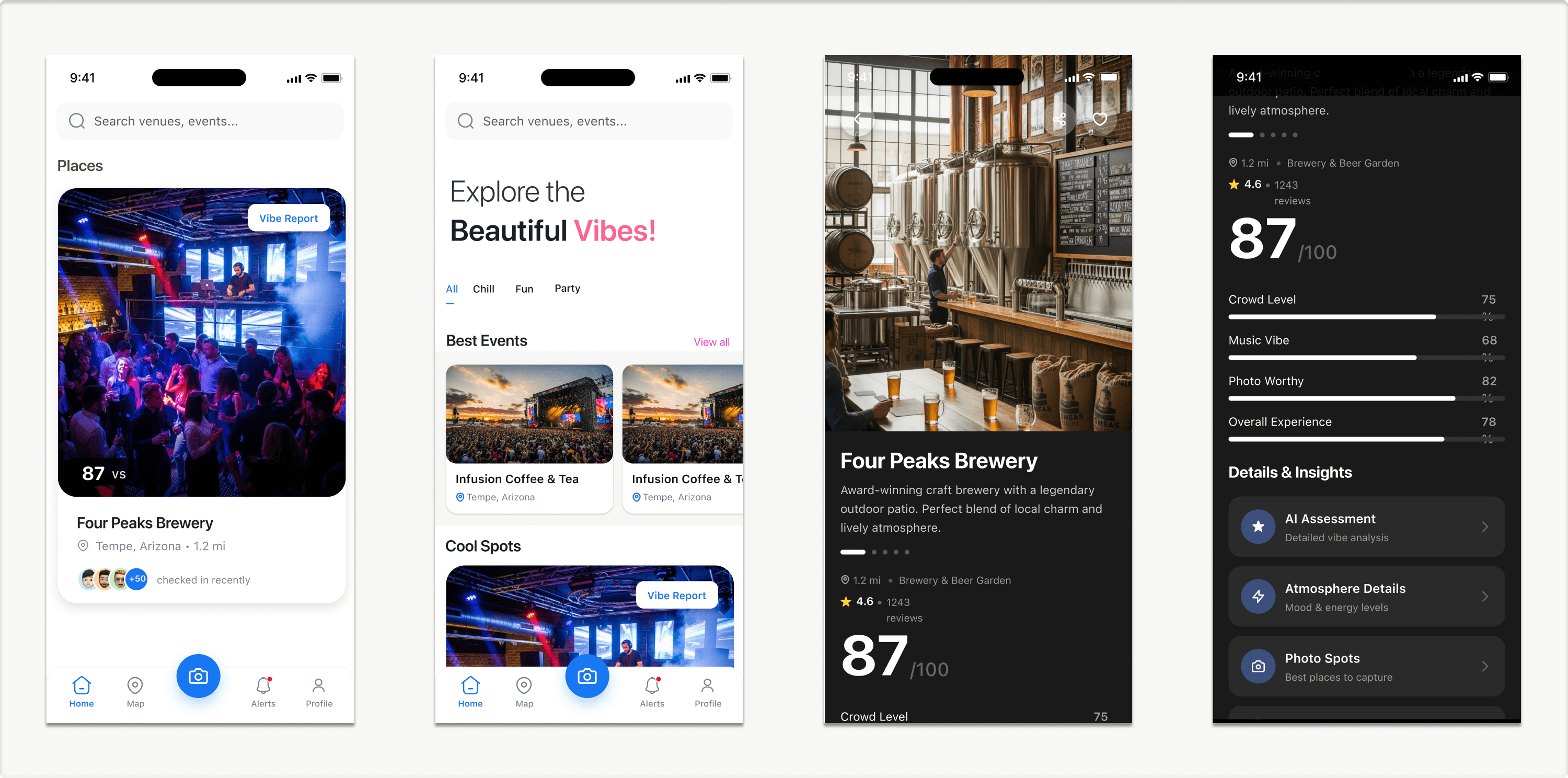
The final map, live vibes filtered by feeling
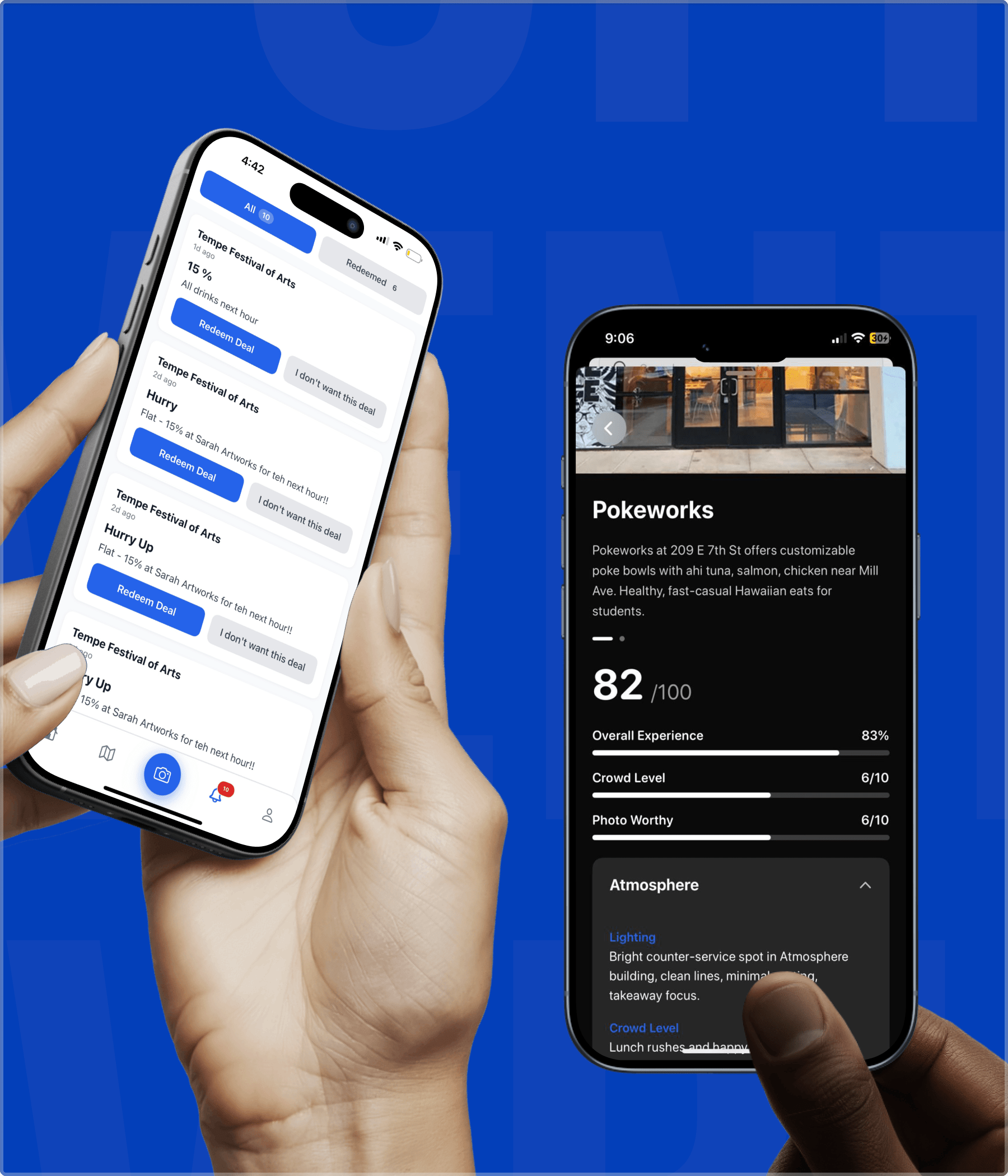
Posting flow and the Vibe Report screen
(3)
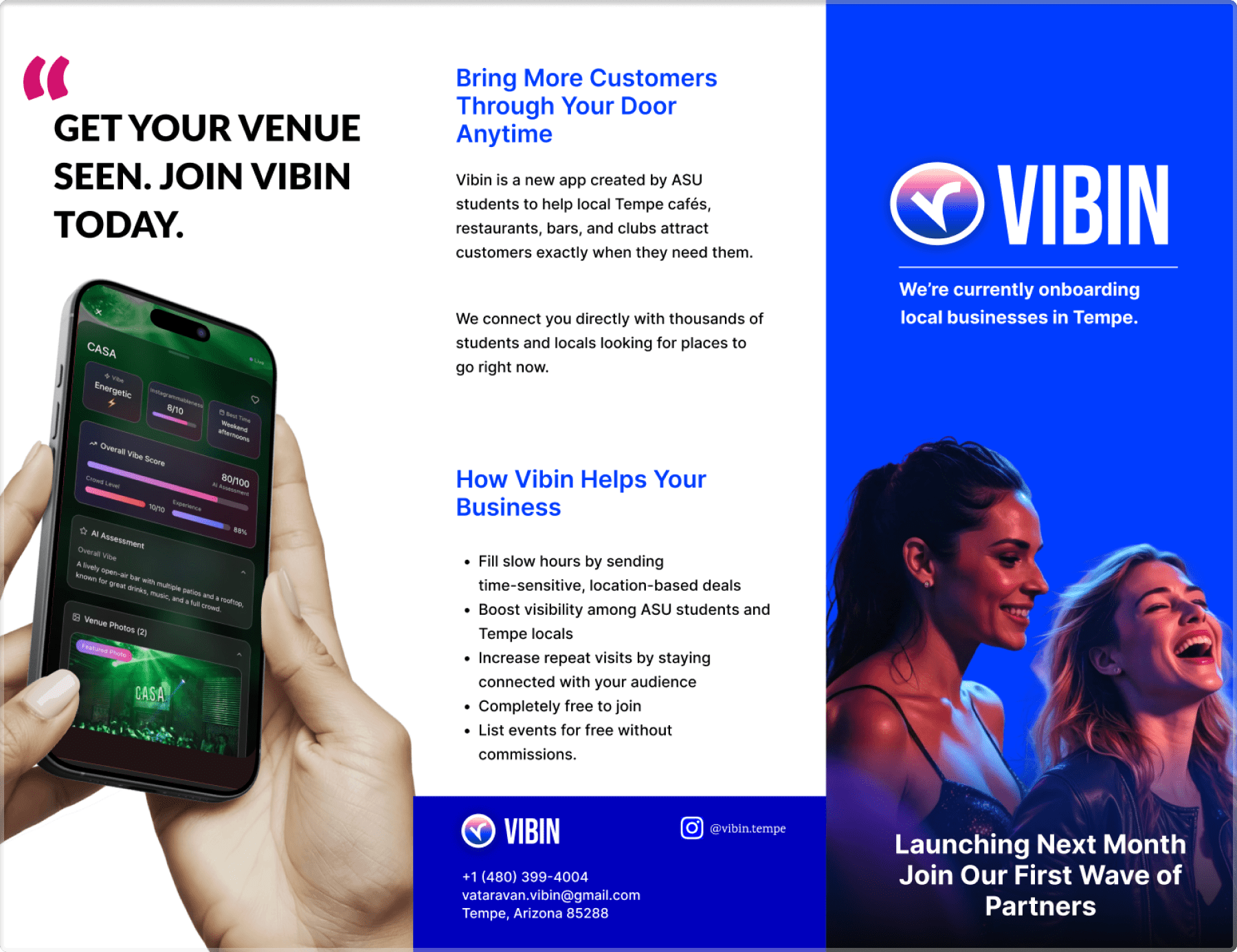
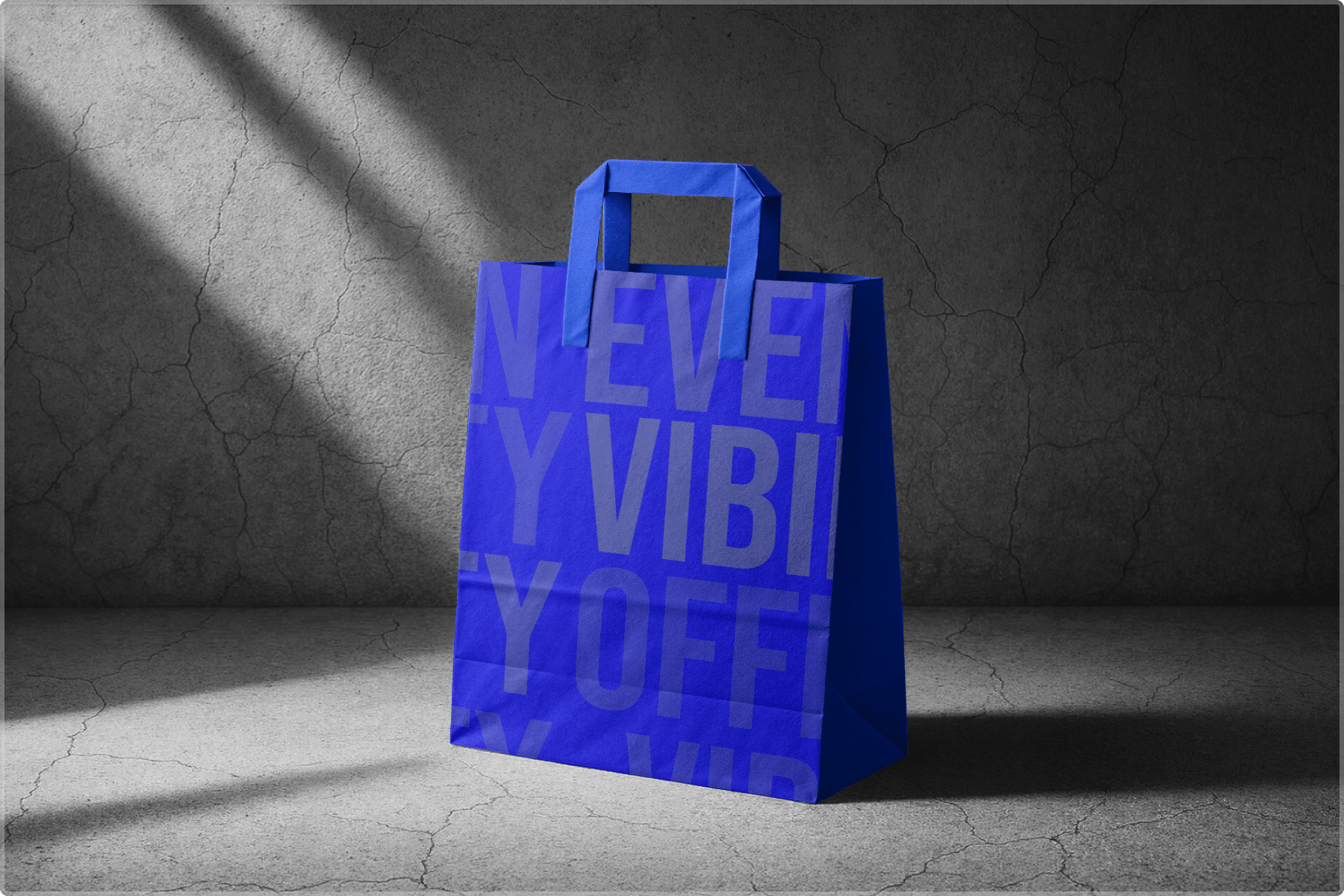
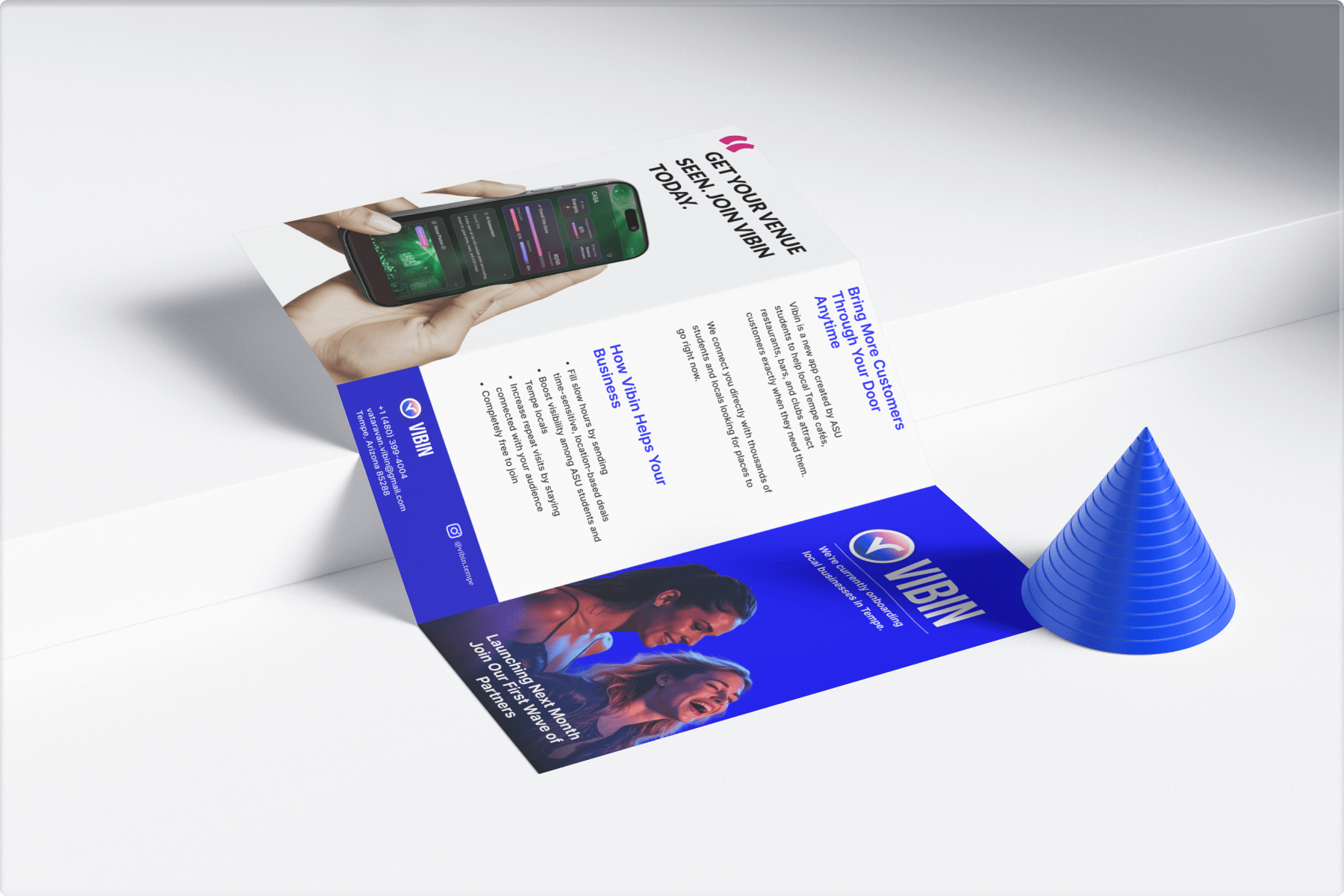
Vibin had to feel like the streets, not like an app. I designed every asset in-house, event posters, vendor flyers, branded merch, social content, all pulling from the same gradient-and-glow system as the app itself, so a poster on a wall and a screen in your hand read as one brand.


(4)
Vendors get visibility and foot traffic, users get live vibes and exclusive deals. Eventbrite charges 3.5% + $1.59 per ticket, Posh takes 15% commission. Vibin charges neither side, the marketplace runs on presence, not fees. Post-launch behavioral data invalidated three assumptions from our interviews, real usage beats what people say.
Visibility and foot traffic without commission
Live vibes and exclusive deals at the door
Every post makes the map smarter

(the outcome)
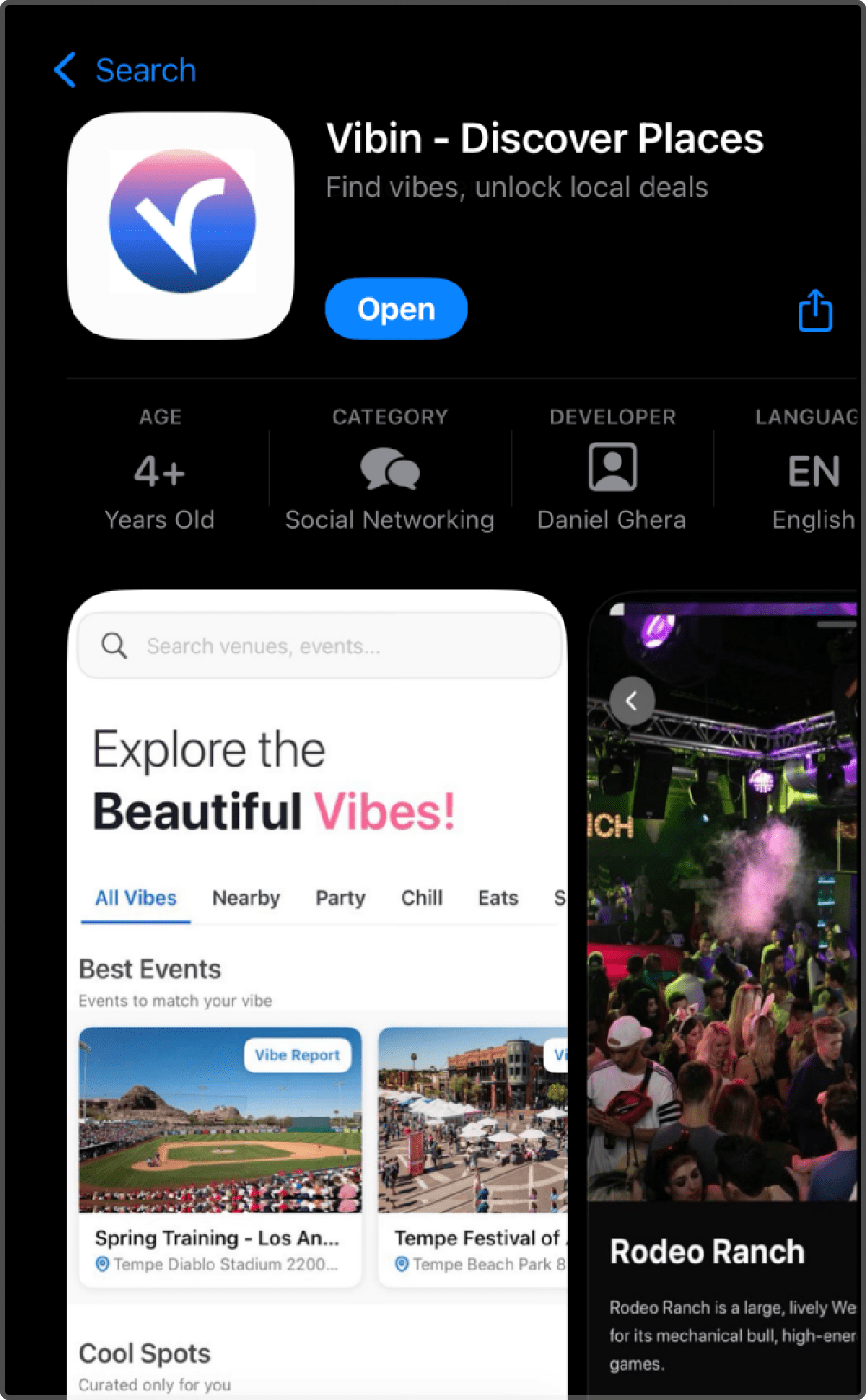
Vibin shipped as a real product with real users and a two-sided marketplace that charges neither side. I ran more than ten usability sessions after launch and used what people actually did, not what they told us, to decide each next change.
What I learned: ship early, because real behaviour beats opinions. Post-launch data killed three assumptions we were confident about from our interviews. A month of extra polish would not have taught us any of that.
Next project: Pastiche →